Syncra SDK
Production-grade offline-first synchronization engine with operation queuing, delta sync, conflict resolution, idempotency guarantees, and automatic retry handling.
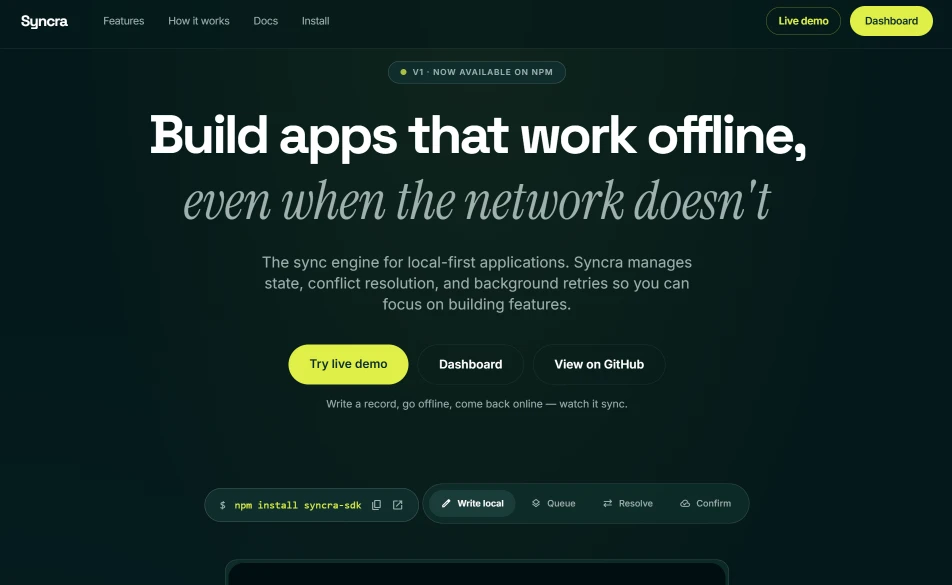
- Offline-first IndexedDB-backed local persistence
- Delta Sync Only changed records transferred
- Idempotent Duplicate-safe operations
- BullMQ Asynchronous sync processing
The Problem
Building reliable offline-capable applications is significantly more complex than simply caching data locally. Applications must queue operations while offline, replay them in order when connectivity returns, prevent duplicate processing, resolve concurrent edits, and synchronize changes efficiently across devices. Most teams either avoid offline support altogether or spend weeks building fragile synchronization systems from scratch.
What Was Built
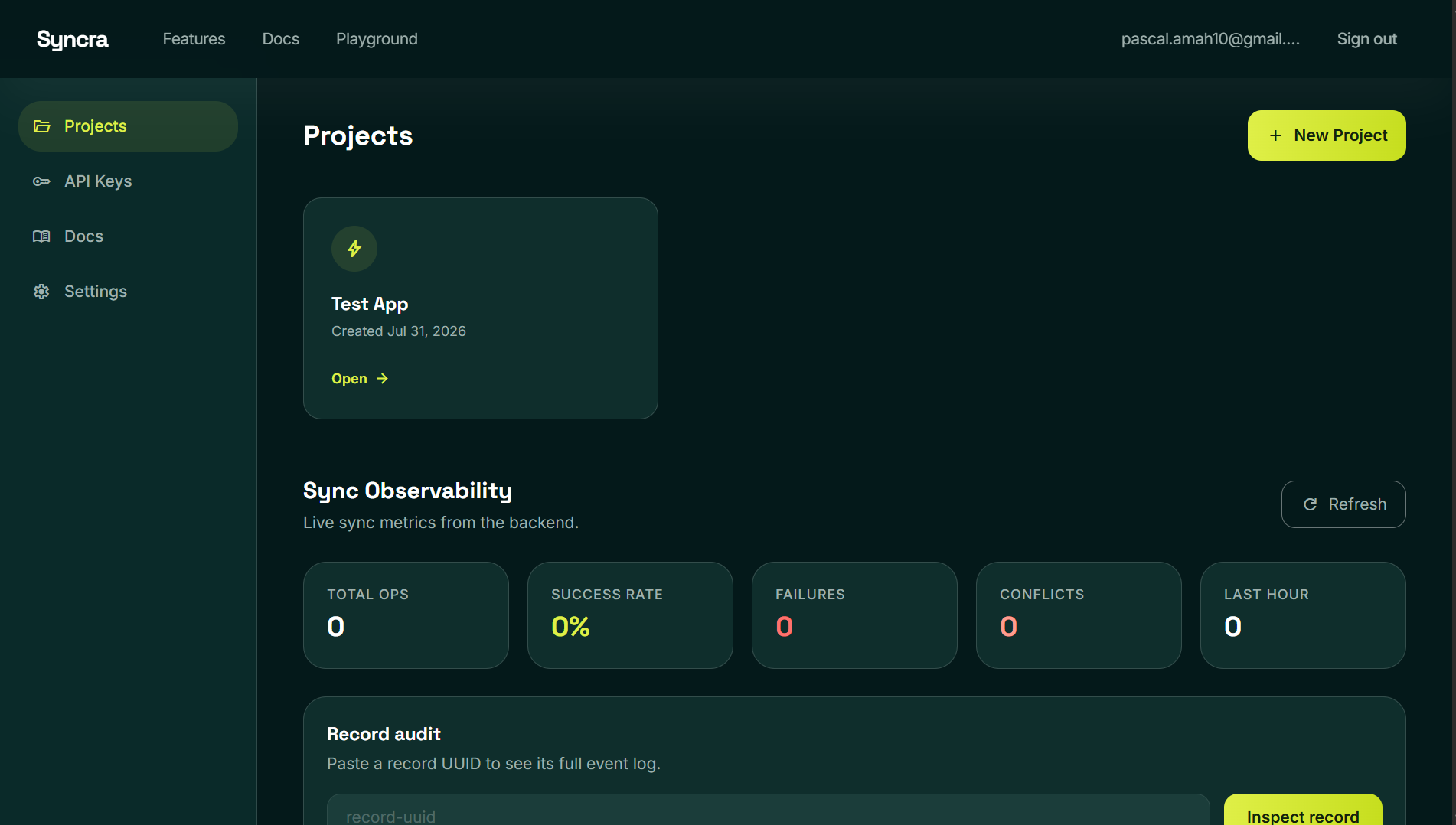
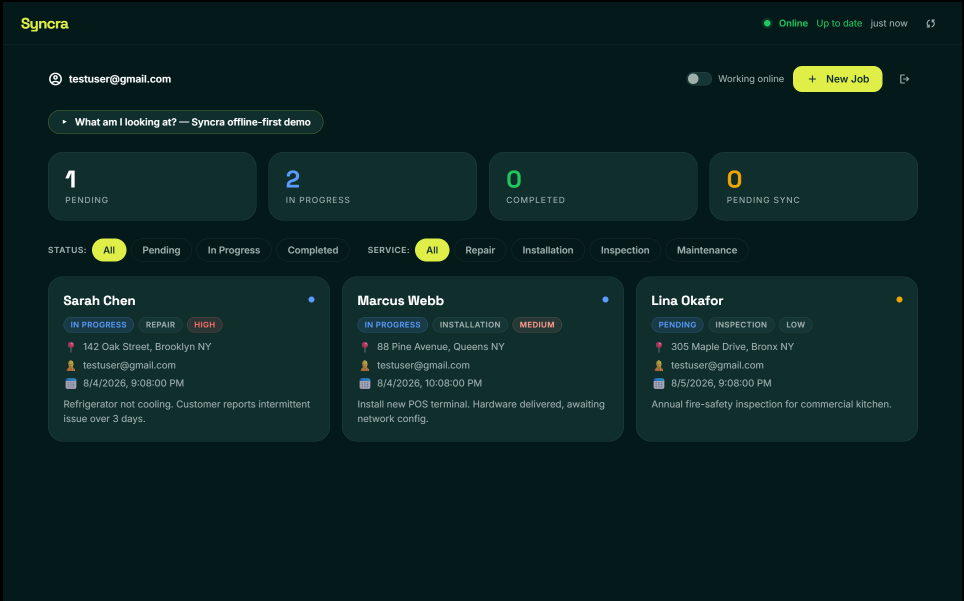
Built Syncra as a production-grade offline-first synchronization engine consisting of a TypeScript SDK, NestJS backend API, and developer tooling. The SDK writes data locally to IndexedDB, queues mutations while offline, and automatically synchronizes them when connectivity returns. The backend processes batched sync operations, validates idempotency keys, performs conflict resolution, supports delta synchronization, and manages asynchronous workloads through BullMQ. Redis powers job queues and caching, while PostgreSQL stores records, versions, and event history. The project also includes a React demo application and developer dashboard for monitoring synchronization activity and debugging conflicts.
Highlights
- Offline-first writes with IndexedDB local persistence
- Operation queueing and ordered replay when connectivity returns
- Delta synchronization transfers only changed records
- Idempotency guarantees prevent duplicate operation processing
- Configurable conflict resolution with custom conflict handlers
- Automatic retry logic with exponential backoff
- BullMQ-powered asynchronous processing for large sync batches
- Developer SDK published for integration into web applications
- Published on npm, installable in any Node.js or browser-based project
Engineering Decisions
The most difficult aspect of Syncra was designing synchronization guarantees that remain predictable under unreliable network conditions. The system needed to handle duplicate requests, concurrent edits, temporary outages, and partial failures without corrupting data. This required combining version-based conflict detection, idempotency keys, ordered operation replay, delta synchronization, and configurable conflict resolution into a developer-friendly SDK abstraction.
Architecture
- TypeScript SDKOffline queue & sync engine
- IndexedDBLocal records & operation queue
- NestJS APISync orchestration & conflict handling
- PostgreSQLRecords, versions & event history
 In Development
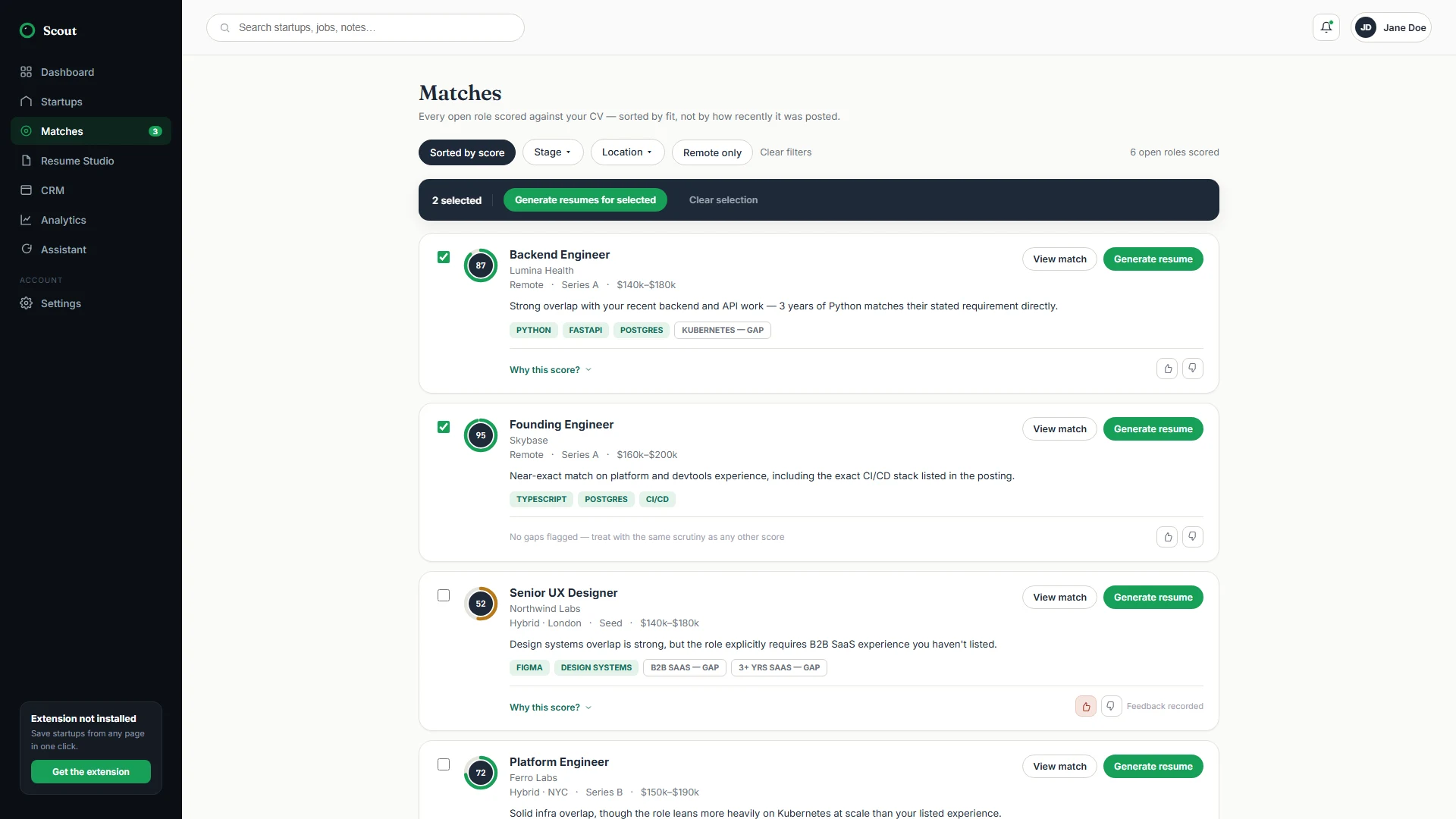
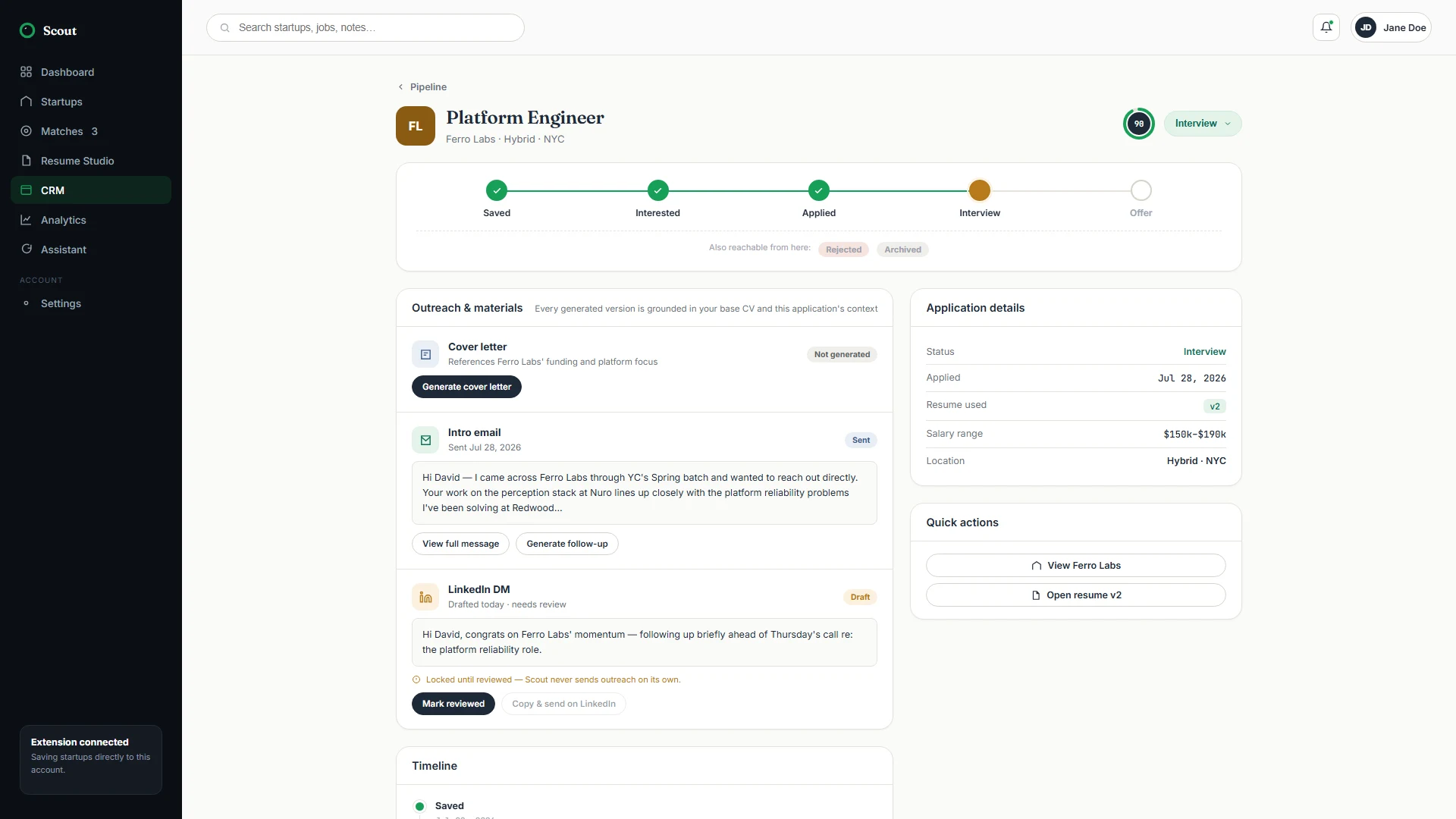
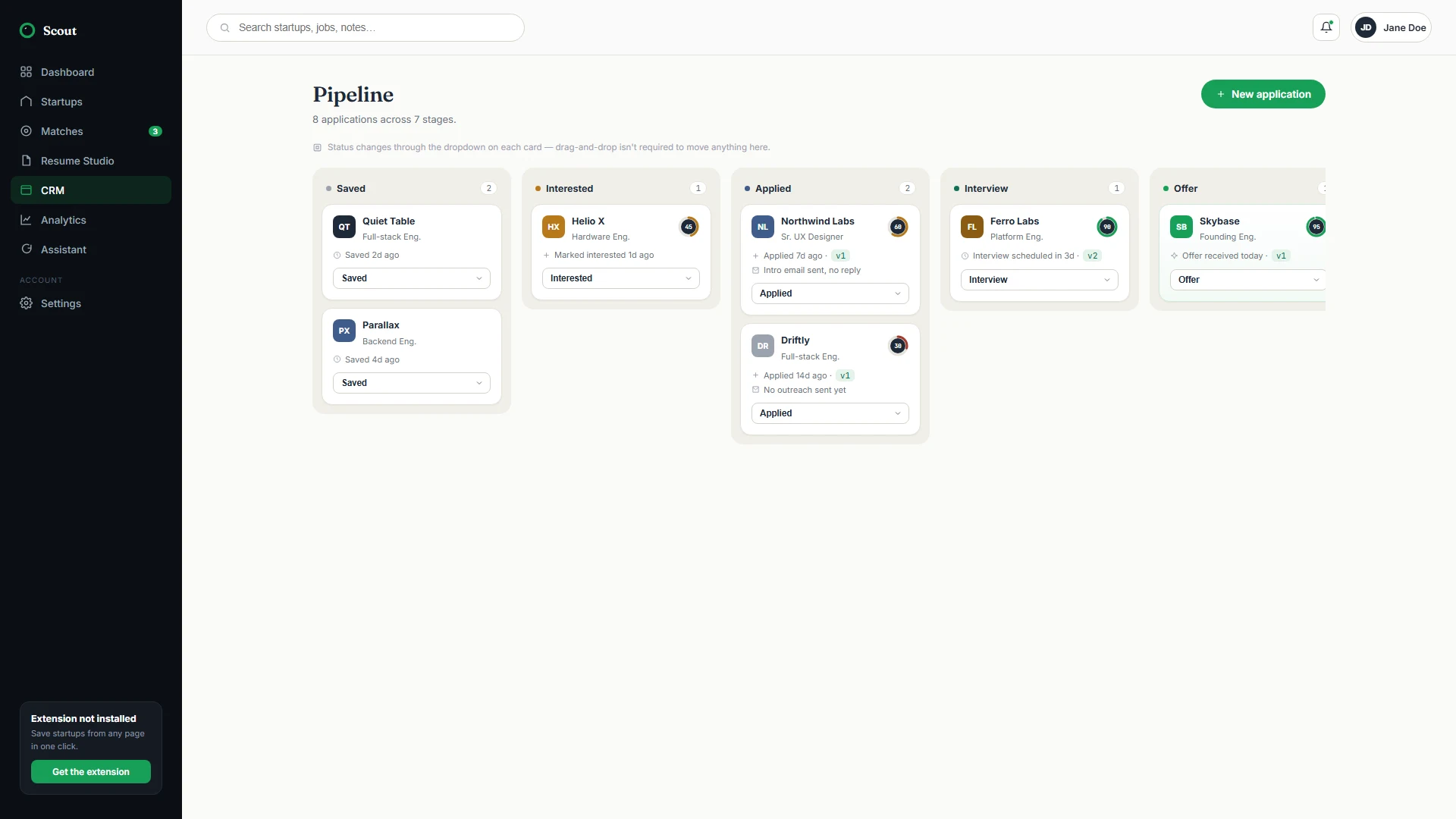
Scout
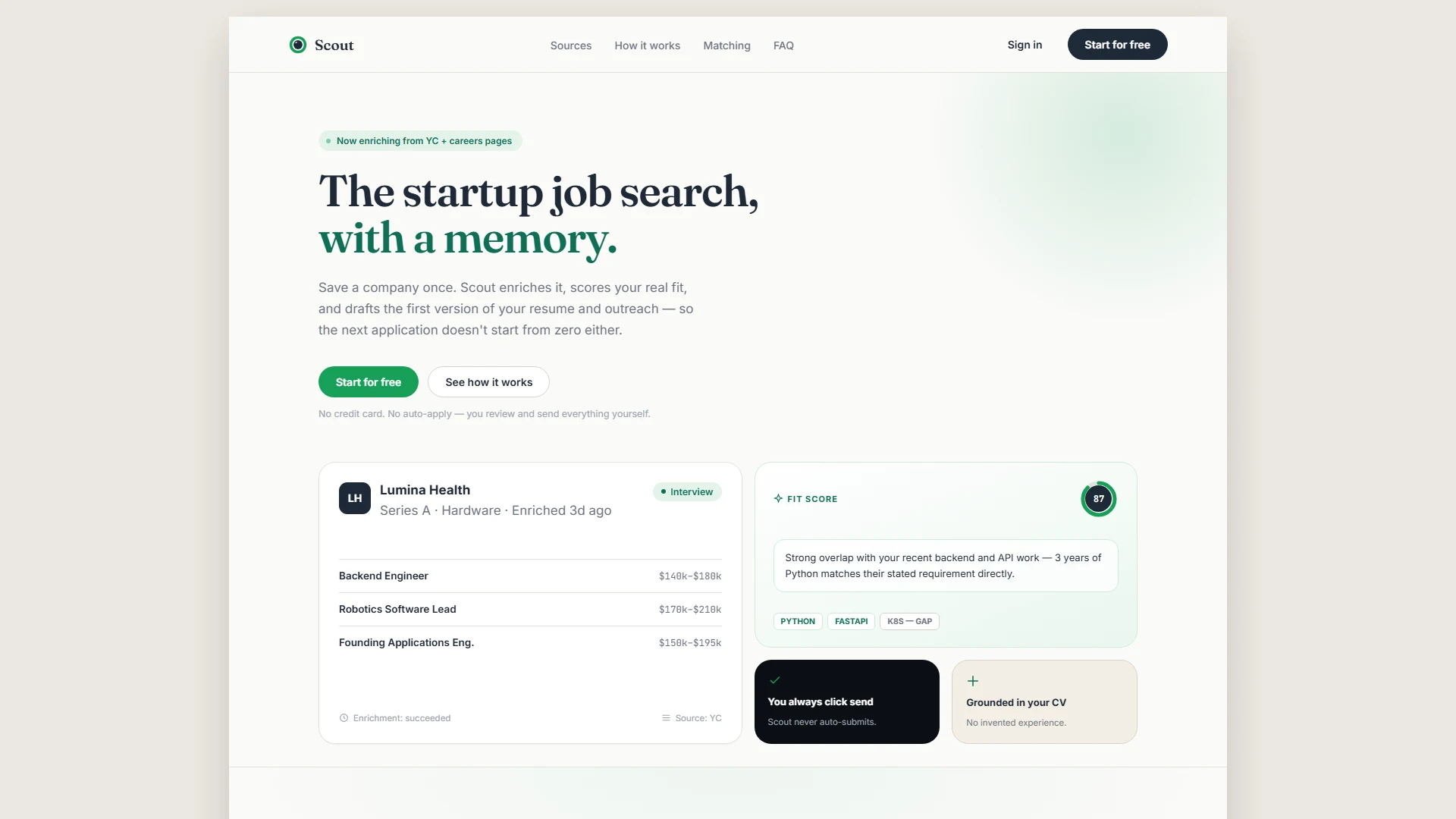
AI-native startup job-search workspace. Save startups and jobs from anywhere on the web and Scout researches each company with AI, matches open roles against your CV with semantic search, and carries you from application through outreach in one place.
Wildcard
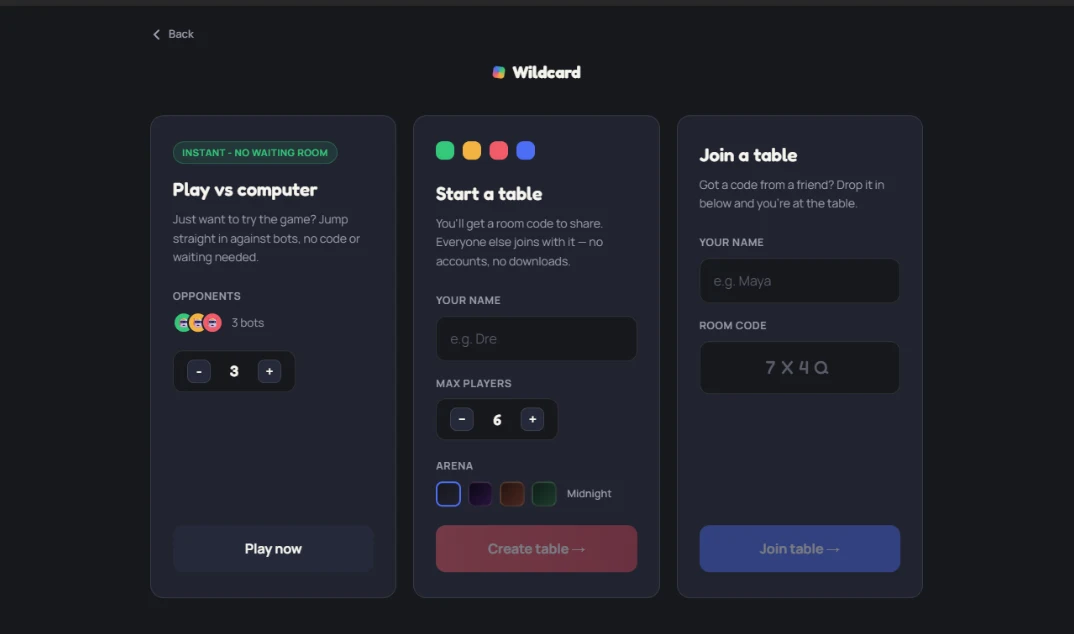
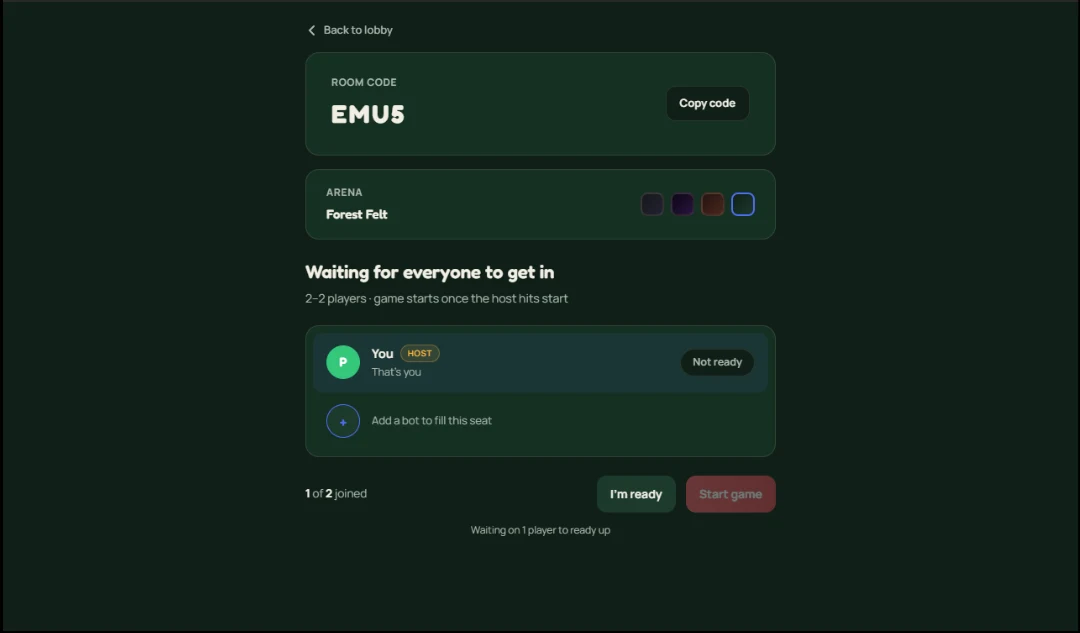
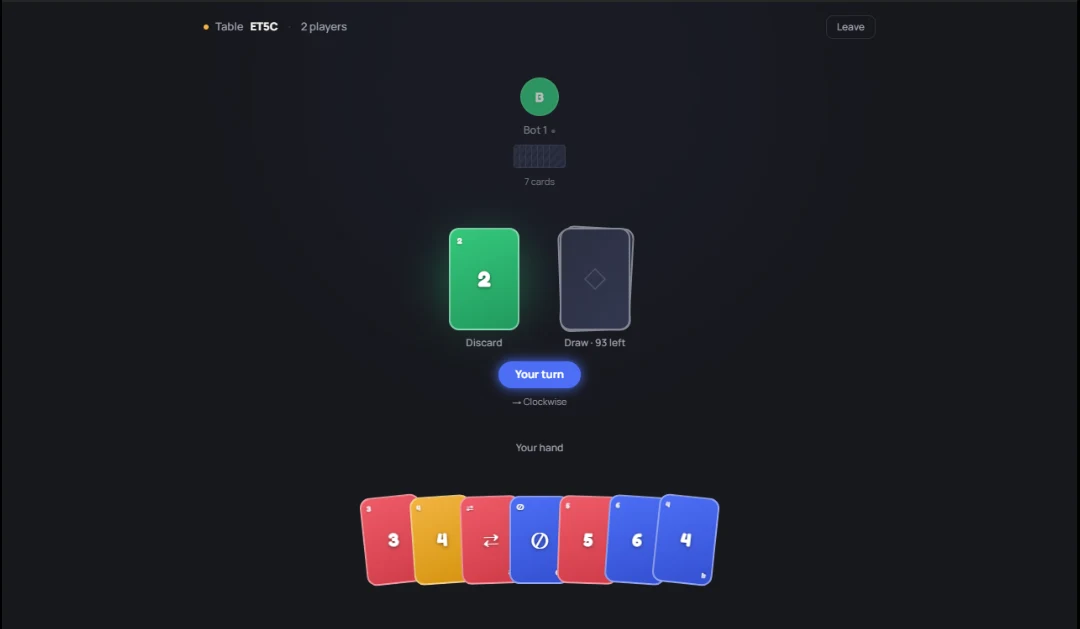
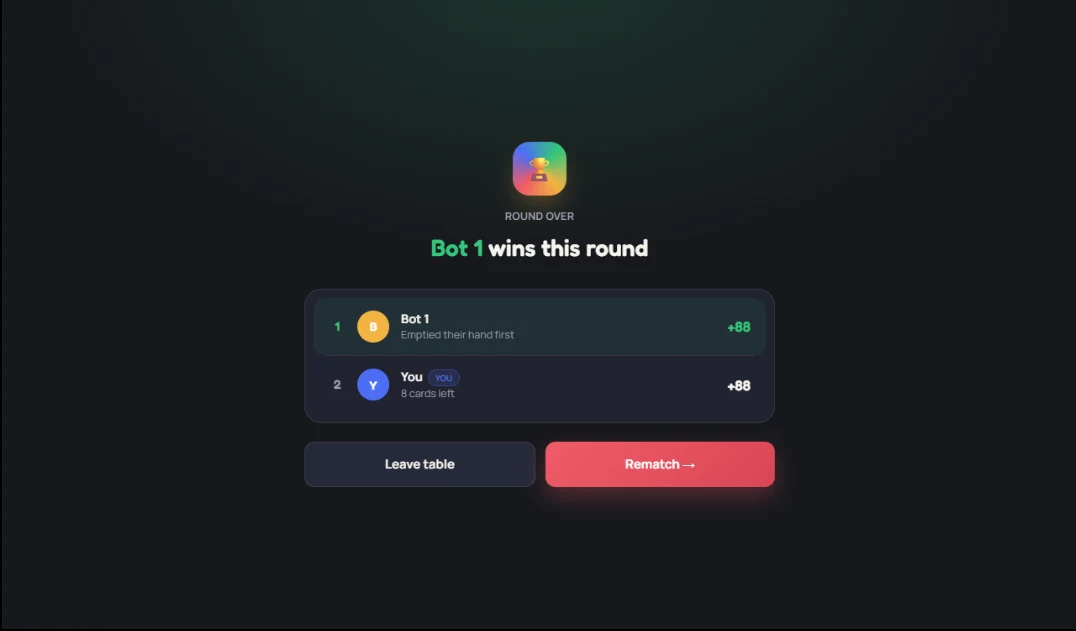
A real-time browser-based multiplayer card game for 2–10 players, built around color/number matching, action cards, and wild cards. Create or join a table with a room code — no installs, no accounts required.
 In Development
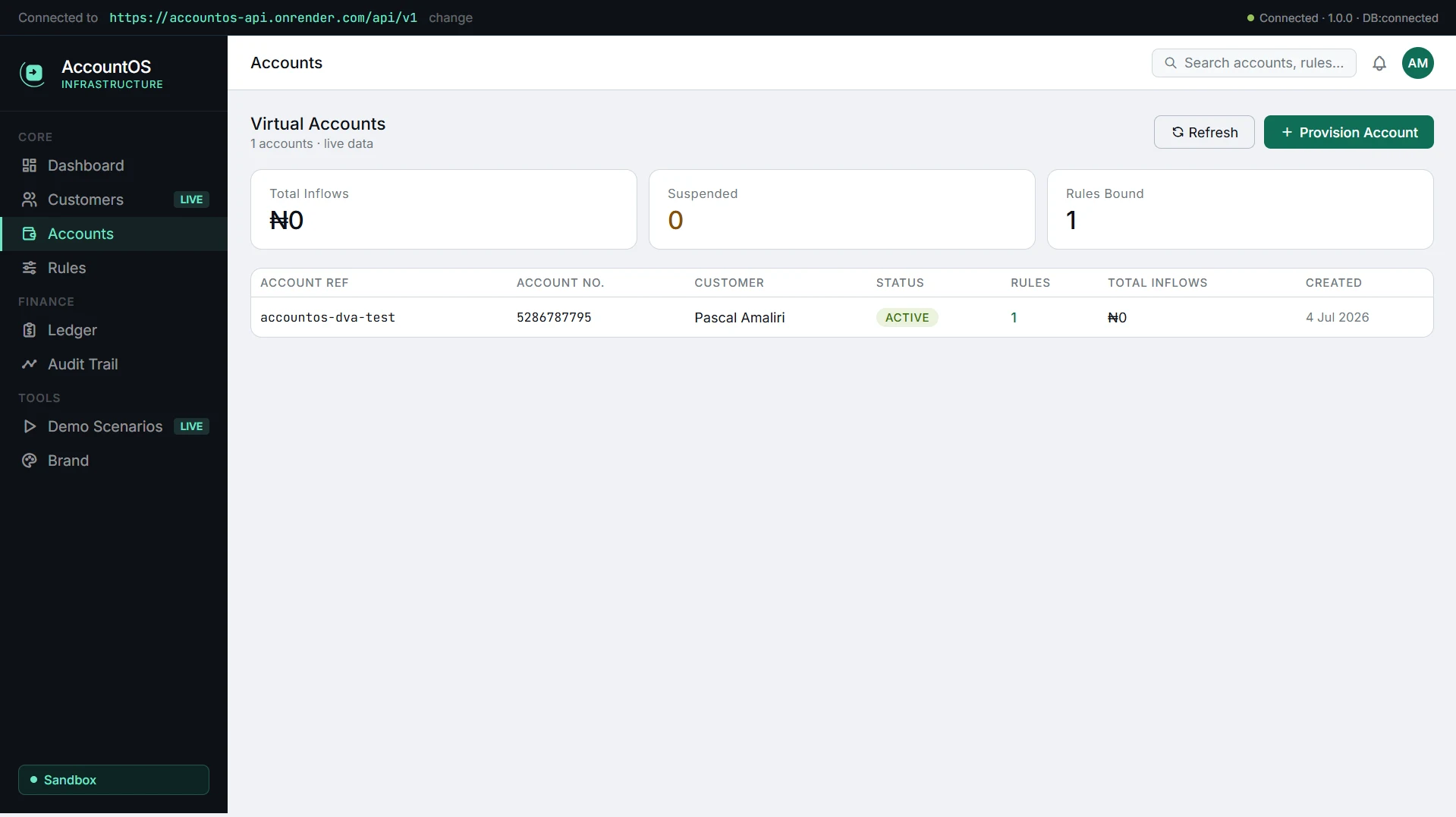
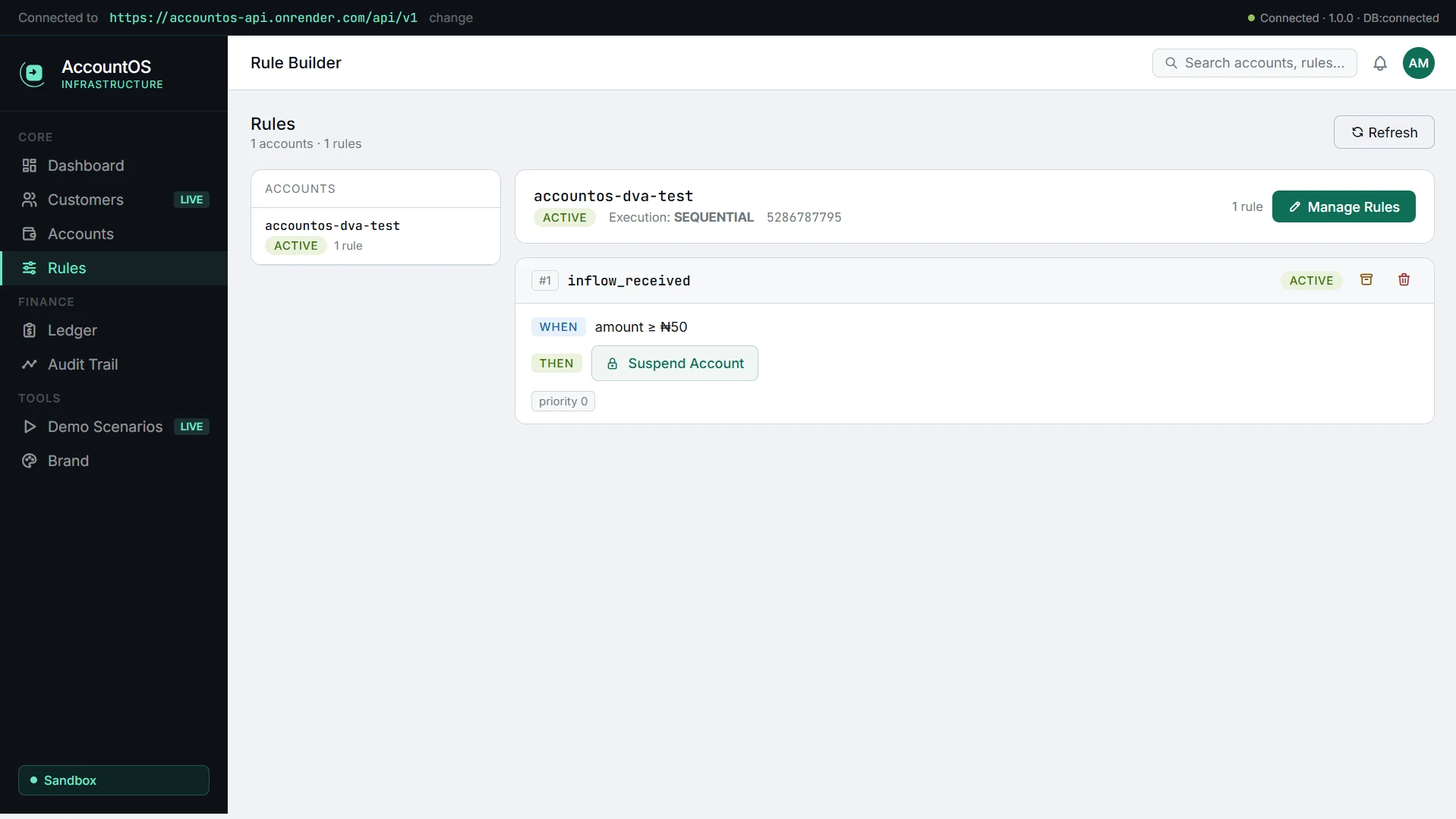
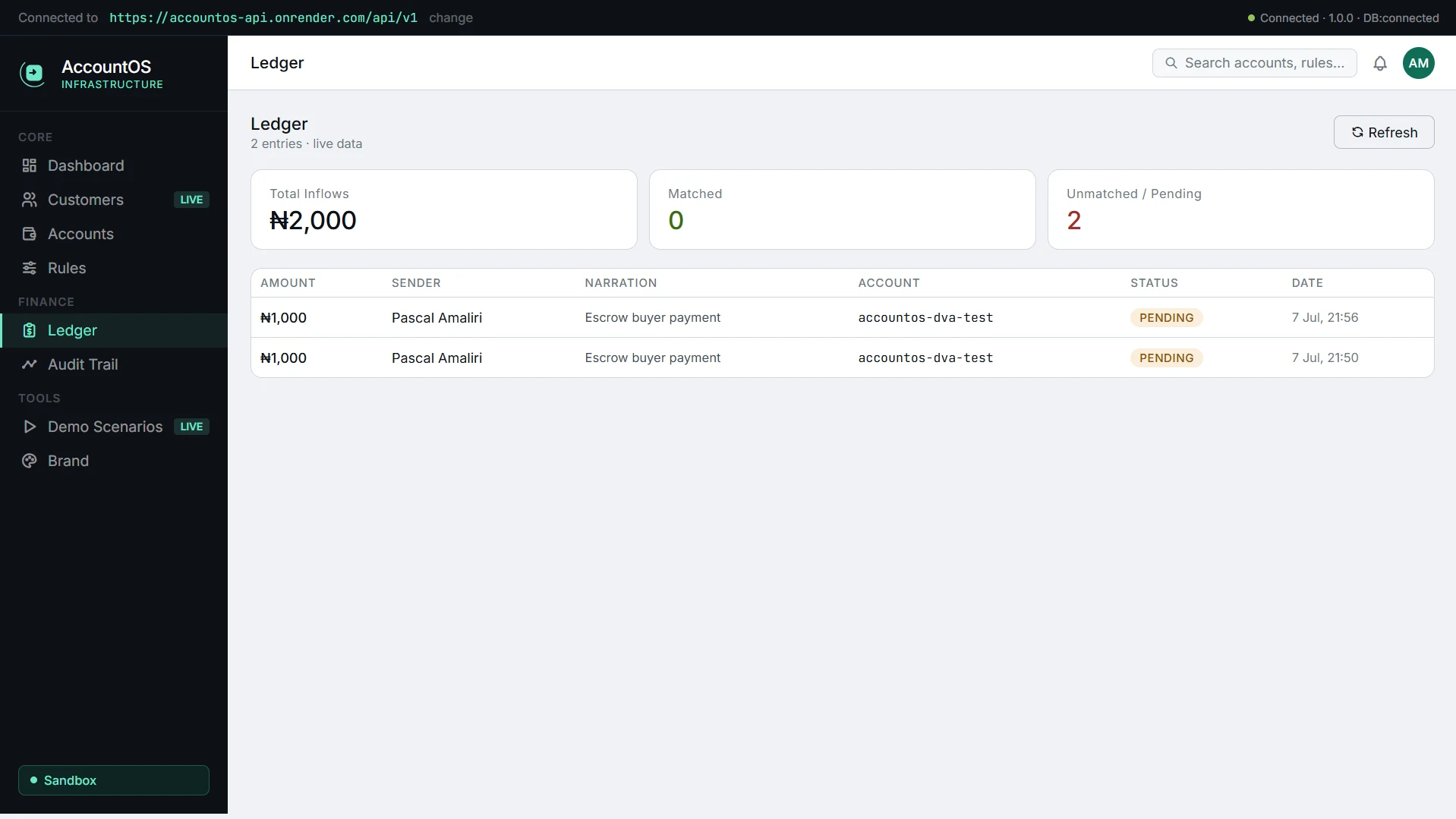
AccountOS
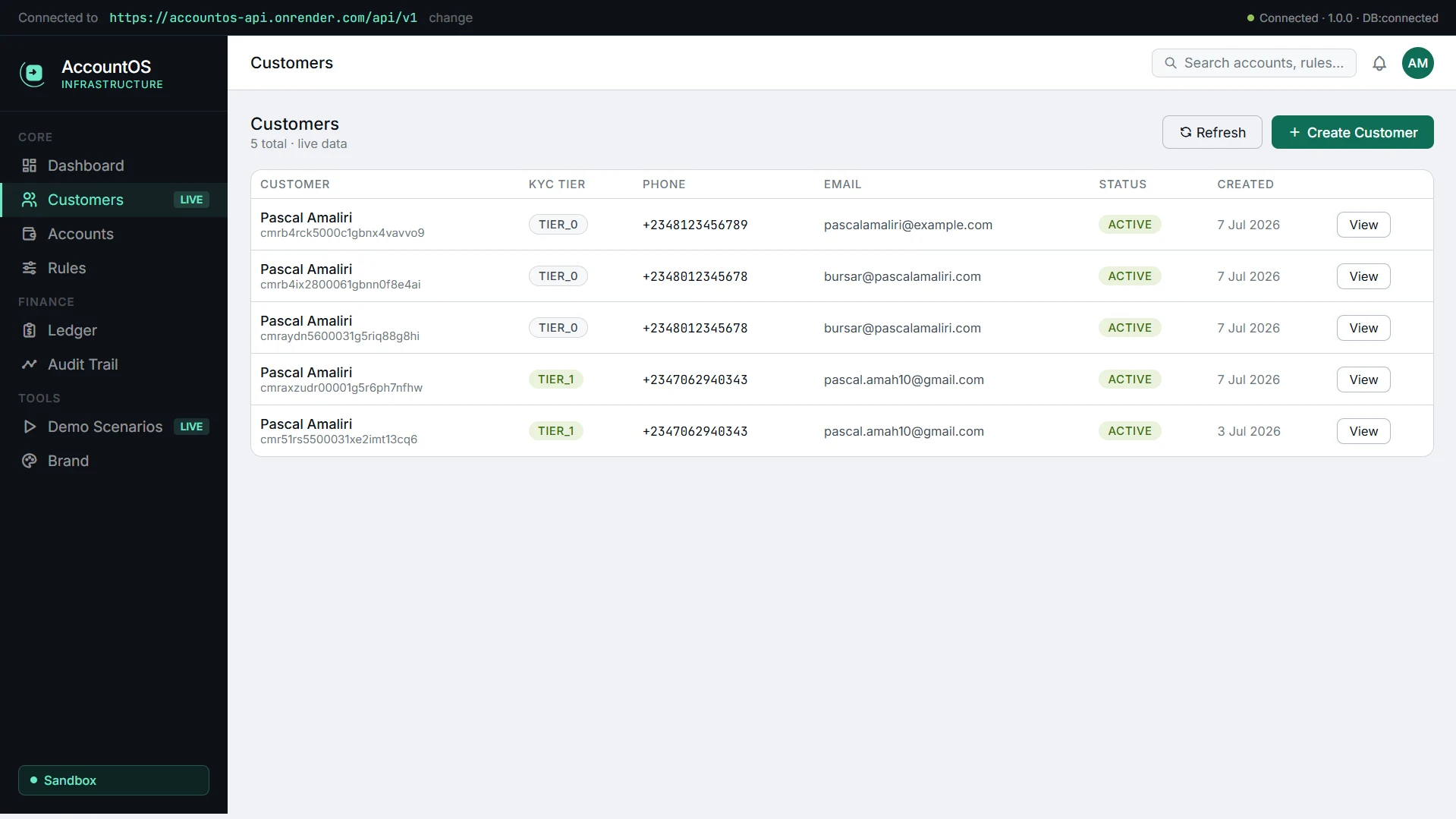
Programmable virtual account infrastructure built on Nomba, enabling rule-driven automation, immutable ledgers, treasury management, and auditability for fintech products.